
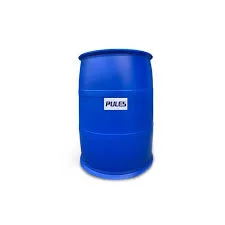
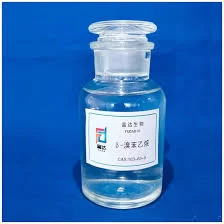
Cas 103-63-9 (2-Bromoethyl)Benzene

(2-Bromoethyl)benzene, with the molecular formula C8H9Br, is a bromoalkylated aromatic compound. It consists of a benzene ring attached to an ethyl group, which carries a bromine atom at the second position (relative to the ethyl group). This unique structure makes it highly reactive in nucleophilic substitution reactions and other organic transformations.
1. Molecular Formula: C8H9Br
2. CAS Number: 103-63-9
3. Appearance: Colorless to pale yellow liquid.
4. Purity: 99% (High purity for research and synthesis).
5. Solubility: Soluble in ethanol, chloroform, and ether; sparingly soluble in water.
The presence of the bromoethyl group makes this compound a versatile intermediate for various synthetic routes.
(2-Bromoethyl)benzene is primarily used as an intermediate in the synthesis of several pharmaceutical agents and organic compounds. Its wide applications span across medicinal chemistry, chemical synthesis, and the creation of complex organic molecules.
1. Pharmaceutical Synthesis: (2-Bromoethyl)benzene is often used in the synthesis of pharmaceutical intermediates and as a precursor for the development of medicinal compounds. Its ability to undergo nucleophilic substitution reactions makes it a key building block in the creation of new drugs.
2. Chemical Reactions: This compound is widely employed in organic synthesis, particularly in Suzuki reactions, Wittig reactions, and Grignard reagent synthesis. It also participates in alkylation reactions, contributing to the formation of more complex organic molecules.
3. Synthesis of Aromatic Compounds: Due to the presence of the bromine atom, (2-Bromoethyl)benzene is used in the synthesis of substituted aromatic compounds and as a reactive intermediate in the formation of functionalized benzene derivatives.
4. Research and Development: It is an essential reagent in medicinal chemistry and research for the synthesis of bioactive molecules with potential therapeutic properties. Researchers use it as an intermediate in the design of new drugs with a variety of applications in cancer therapy, neurology, and antibacterial treatments.
The synthesis of (2-Bromoethyl)benzene is generally straightforward and involves the bromination of ethylbenzene.
1. Bromination of Ethylbenzene: (2-Bromoethyl)benzene can be synthesized by reacting ethylbenzene with bromine (Br2) in the presence of a radical initiator or light to selectively introduce a bromine atom at the second position of the ethyl group, resulting in (2-Bromoethyl)benzene.
2. Further Modifications: Once synthesized, (2-Bromoethyl)benzene can undergo various organic transformations, such as nucleophilic substitution, reduction, and cross-coupling reactions to generate more complex molecules for medicinal or industrial use.



Glutathione, often referred to as the body’s “master antioxidant,” has moved from relative obscurity in medical textbooks to the center of global discussion in health, wellness, and biotechnology. Once known primarily to researchers and clinicians, this naturally occurring molecule is now widely discussed in contexts ranging from chronic disease research to skincare trends and dietary supplements. As interest continues to grow, scientists, regulators, and consumers alike are reexamining what glutathione is, what it can do, and how it should be used responsibly.
With the deepening implementation of the "Made in China 2025" strategy and the rapid advancement of high-end equipment manufacturing, China's coupling industry is accelerating its transformation toward intelligent and precision-oriented development.
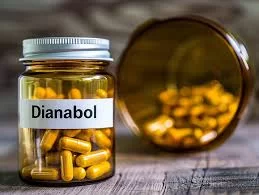
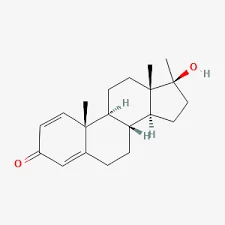
The global conversation around performance-enhancing drugs has intensified once again as anabolic steroids, particularly products marketed as Oil Dianabol, continue to surface in illegal markets. Dianabol, scientifically known as methandrostenolone, is one of the most well-known anabolic steroids in bodybuilding history. Originally developed in the mid-20th century for medical use, it has long since become controversial due to widespread misuse, health risks, and regulatory crackdowns.


